
News
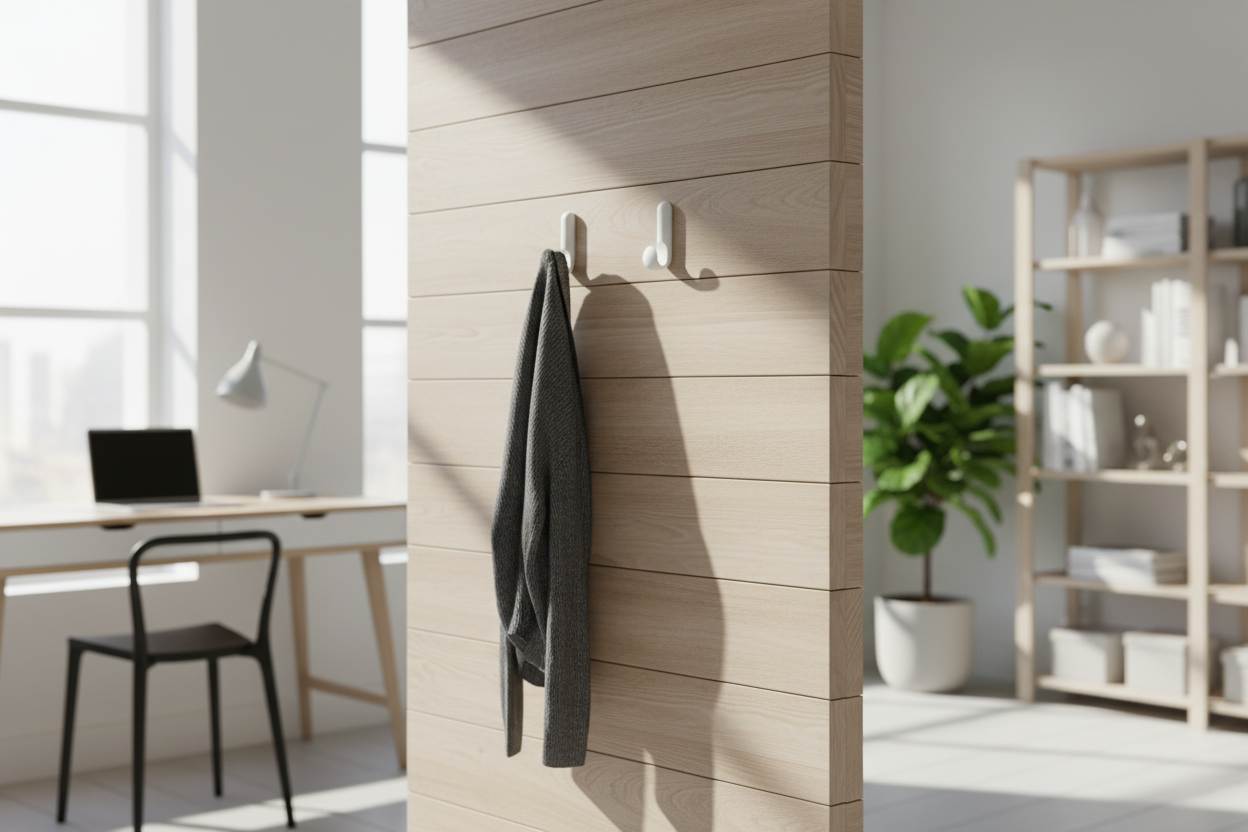
International Design Day: the value of useful design in everyday life
Every April 27th, International Design Day is celebrated, and in 2026 the focus is on “The Spaces In Between,” an idea that invites us to think of design as a way to create connections, improve coexistence, and make spaces more livable. More than just an aesthetic matter, design emerges here as a tool for better navigating everyday life.
At Inofix, this idea resonates particularly strongly. The brand's history began with the development of its own design products, and since 1972, it has focused on hardware and DIY, offering practical and innovative solutions for the real needs of the home and everyday spaces. Furthermore, the company itself emphasizes that developing its own designs and concepts, often patented, allows it to differentiate itself as a leading brand in design and quality.
Talking about design in this context isn't just about shapes, colors, or trends. It's about how a product is easier to install, quicker to understand, takes up just the right amount of space, and solves a problem naturally. In sectors like hardware and DIY, the best design is often precisely the one that reduces friction: the one that prevents bumps, dampens noise, protects surfaces, organizes cables, or facilitates moving furniture without drawing attention to itself. This is a very concrete and valuable form of innovation.
That's why functional design is regaining importance. Today, it's no longer understood simply as a final layer of the product, but as a decision that affects its durability, legibility, and impact. The circular economy insists that design must act from the outset to prevent waste and pollution, and European product policy is moving in the same direction, reinforcing criteria of sustainability, circularity, durability, repairability, and clear information for the consumer.
This shift also broadens the definition of a "good product." It's no longer enough for it to simply work: it must last, communicate its use effectively, integrate better into the environment, and respond to diverse needs. Inclusive design has been advocating for this very idea for years: creating products and environments suitable for more people, more situations, and more moments in life. Applied to the home, this means considering accessibility, ease of use, adaptability, and everyday comfort.
From this perspective, Inofix design can be understood as a sum of small decisions that improve the living experience. A clear example is the products that reduce the physical or acoustic impact of daily use. The brand itself highlights, for example, a transparent bumper whose shock-absorbing design and material make it an exceptionally quiet product, while in other product lines, the value lies in facilitating the movement of furniture and appliances while protecting all types of surfaces. These are seemingly modest details, but highly significant in the relationship between product, space, and well-being.
At the same time, design also has a more visible role today in how the product is presented and explained. European regulations are reinforcing the importance of providing better information on durability and repairability at the point of sale, something that connects with a growing demand for clarity, trust, and usefulness. In this sense, good design also means making the product easier to understand, compare, and integrate into the real life of the buyer.
On the occasion of International Design Day, it's worth reaffirming this broad vision: design isn't just about appearance, but about thinking more effectively about objects and spaces. At a brand like Inofix, linked since its inception to original design and innovation applied to the home, this idea remains fully relevant. Because when design is well executed, it not only improves the product, but also the way we live with it.
Discover how design and innovation are integral to product development at Inofix.

Why the number 110 has a special meaning: sustainability and design as a commitment at Inofix

World Climate Day: when packaging also speaks about responsibility

The new hardware and DIY shopper: convenience, speed, and a more helpful shopping experience
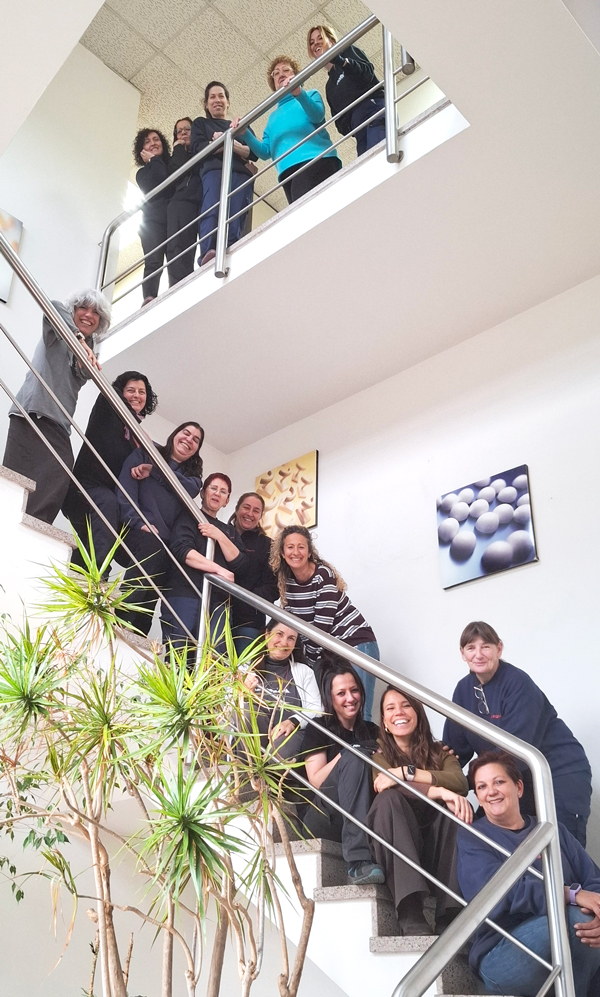
8M: the hardware and DIY sector is also being built in the feminine