
News
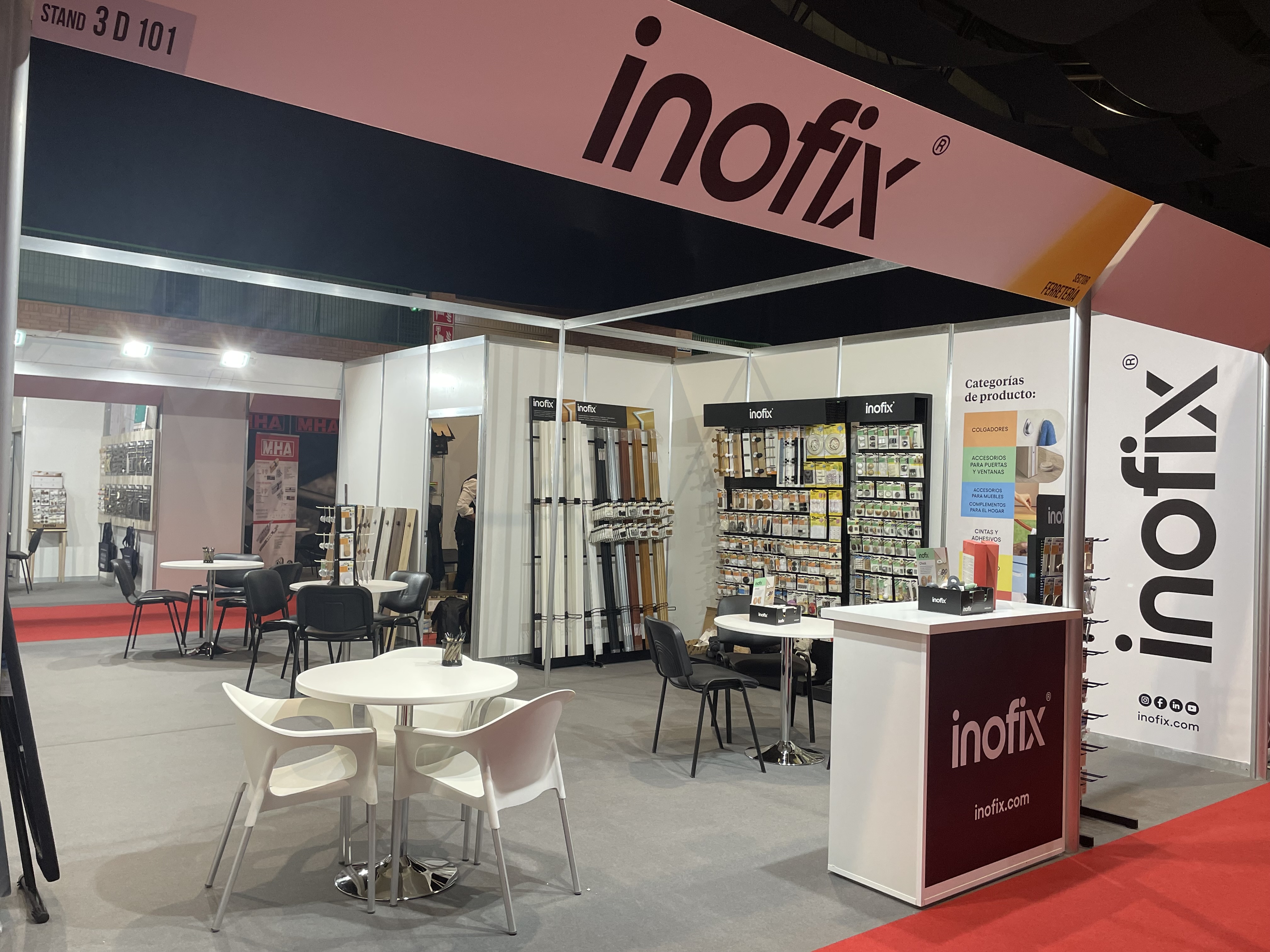
Innovation in hardware and industrial supplies: from the counter to the "store retail" hardware store (ideas and lessons learned after Expocadena)
Innovation in the hardware and industrial supply sector is no longer measured solely by new products. It's increasingly measured by how sales, management, and communication take place. Trade fairs like Expocadena reflect this shift in focus: the major challenge today is transforming the neighborhood hardware store into a "store-style" retail space where customers can navigate, make decisions, and purchase independently without sacrificing the value of professional advice.
In this article, we review the key elements of the new paradigm presented at the Expocadena Congress: the retail store, which is based on empowering the end customer, computerized inventory tracking, digital sales, and the crucial role of omnichannel communication.
The Retail Store Hardware Store: When Customers Know How to Shop Like in a Superstore
When we think of superstores, the difference isn't just the store size: it's the purchasing methodology. Customers move around easily, compare products, take their time to think, understand, and choose.
The hardware retail store aims to bring this logic to local businesses through the following points:
• Clear aisles: visible categories, organized by use and need.
• Helpful signage: fewer generic "promotions" and more practical information.
• Guiding merchandising: simple comparisons, "good/better/excellent," and uses recommended by customers.
• Solution zones: kits for each problem and their corresponding solution.
• Micro-spaces for demonstration and testing within the store.
The goal is a better shopping experience and higher conversion rates, without sacrificing product recommendations.
Empowering the end customer: providing the tools for an informed purchase decision.
For customers to shop independently in hardware and DIY stores, there is an essential step: giving them the necessary tools. Often, consumers don't know how to ask for the specific product they need; they only describe the problem: the door closes by itself, the picture falls, or there's a draft coming in through the window.
At Inofix, we've incorporated three features across our entire product range to help end consumers choose quickly and confidently:
• Colors (solution classification): a color-coding system used throughout the range, allowing customers to search by need/solution, locate the correct product family on the shelf, and find the product more intuitively.
• Explanatory icons (pictograms): clear symbols that summarize the main physical attributes and characteristics of the product at a glance (use, resistance, material, compatible surface, etc.), facilitating comparison and the right choice.
• Clear instructions: instructions based on easy-to-understand explanatory graphics, with concise directions in several languages for installing the product in just a few steps.
In this sense, these empowering features help customers identify their needs, compare alternatives, and buy with confidence. When understanding is facilitated, everyone wins: the manufacturer explains the product's value, the store increases turnover and sales volume, and the customer especially benefits from greater satisfaction and saved time.
Omnichannel Communication: Making Transformation Visible (and Attracting Demand)
Ultimately, this entire transformation process is useless if the customer doesn't know all the benefits they stand to gain. Communication is no longer an extra; it's part of the company's infrastructure, extending beyond the sales, management, operations, logistics, human resources, and other departments to create a culture that affects the entire team.
At Inofix, this vision is directly linked to the 2026–2028 Strategic Plan: a commitment to internal renewal so that innovation is visible and useful for customers and distributors. The reorganization and strengthening of the Marketing, Sales, and Operations structure aims precisely to accelerate a cross-functional culture—customer-oriented and based on innovation, quality, and operational excellence—so that the market perceives real improvements in brand consistency, product communication, activation, service, and efficiency.
Because communication also has intrinsic value, which is to convey all the value that a product is capable of delivering. The most common approach has been to focus less on "advertising" and more on utility: If the store educates, the store sells.
In short, these stores represent a paradigm shift: innovating processes to sell more and better, and the conclusion is clear: the competitive advantage no longer depends solely on the product, but on the complete experience. Local hardware stores don't compete on size; they compete on proximity, specialization, and experience, and many already have all of these in abundance.
Related news: Inofix reinforces its Marketing, Sales, and Operations departments.

INOFIX thanks Jordi Albaladejo for his contribution and strengthens its organisation across Marketing, Sales and Operations
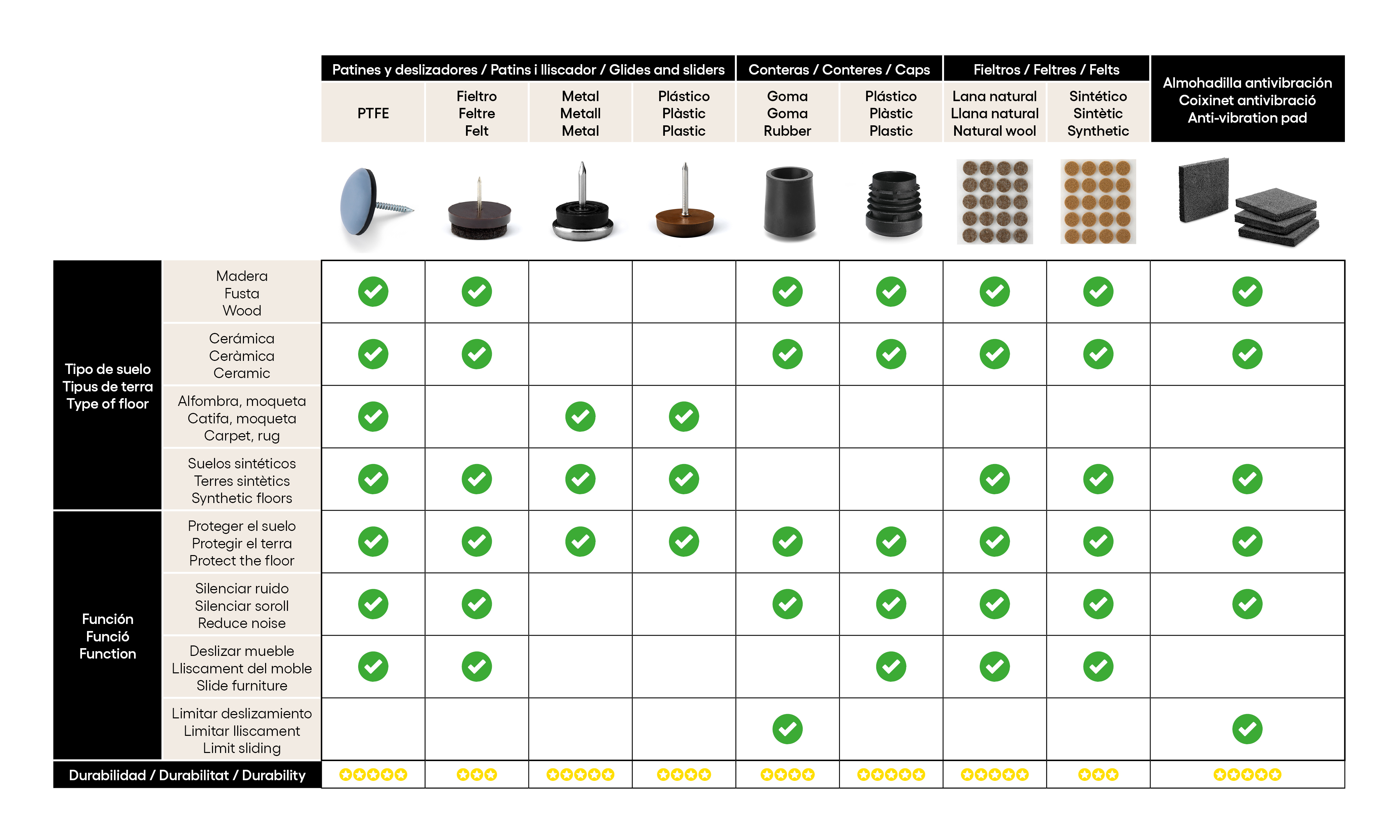
Furniture accessories: end caps, gliders, felts, and pads
Feria PROFER 2025
BRICODAY fair