
News

World Climate Day: when packaging also speaks about responsibility
March 26 marks World Climate Day, a date that invites companies, institutions and consumers alike to reflect on how to move towards more responsible practices.
In this context, at Inofix we believe sustainability is not only about broad goals, but also about decisions applied to the product, the materials and the way it is presented. That is why the redesign of our visual identity and packaging has also become an opportunity to review processes and move towards solutions that are more consistent with this commitment.
Redesigning packaging is also a way to reduce environmental impact
When a brand reviews its packaging, it is not only updating its image. It can also improve the materials it uses and reduce unnecessary resources. In the case of Inofix, products previously presented in blister format have moved from PVC to RPET, a material that is 100% recycled and 100% recyclable.
This step reinforces a key idea: packaging is not just about protection or shelf display. It is also part of the product and of the experience that surrounds it. Redesigning also means deciding more carefully what is essential, what can be optimised and how to make the product more visible without giving up sustainability criteria. As Bruno Munari famously said, “to complicate is easy, to simplify is difficult.”
More efficient, functional packaging aligned with a plastic-reduction logic
This approach is also reflected in the use of recycled materials. Inofix explains that the cardboard used in boxes and product presentations is certified as containing 80% recycled material, while shipping and outer packaging reaches 100%.
In a sector such as hardware and DIY, this is particularly relevant: packaging must protect, explain and organise the product, but it can also evolve towards more efficient formats. Sustainability, in this sense, is not only about replacing materials, but also about rethinking how much packaging is really necessary.
Materials and packaging decisions that reflect a way of working
This approach is also reflected in specific product references. One example is the VELA individual wooden adhesive hook (Model 1491), made from solid beech wood and carrying PEFC certification, linked to sustainable forest management.
And now the same logic is being extended to new packaging decisions. Inofix is about to launch a modification in the presentation of the 3089 multi-hook rack: the blister pack is removed and the product will be shown “uncovered”, a decision that responds both to a sustainability criterion and to a commercial improvement, since it gains visibility and appeal at the point of sale. Until now, that blister pack represented 21 grams of RPET plastic per unit.
This reference joins others that are already presented without blister packaging, such as the 3034 broom holder, whose packaging weighed 12.4 grams, as well as the entire range of large multi-hook racks, where plastic protection was also removed for sustainability reasons.
These kinds of changes are especially valuable because they explain sustainability through a tangible and close-to-home action: less material, better product visibility and a cleaner presentation. It is a clear way of showing that design, packaging and environmental thinking can move in the same direction.
Climate commitment is also built through detail
World Climate Day reminds us that every improvement matters. Including those that can be seen in packaging, in a raw material or in a specific product development decision. At Inofix, this approach takes shape through progressive yet visible actions: RPET replacing PVC, recycled cardboard, forest certifications and new solutions to reduce unnecessary plastic wherever the product can stand on its own more effectively.

The new hardware and DIY shopper: convenience, speed, and a more helpful shopping experience
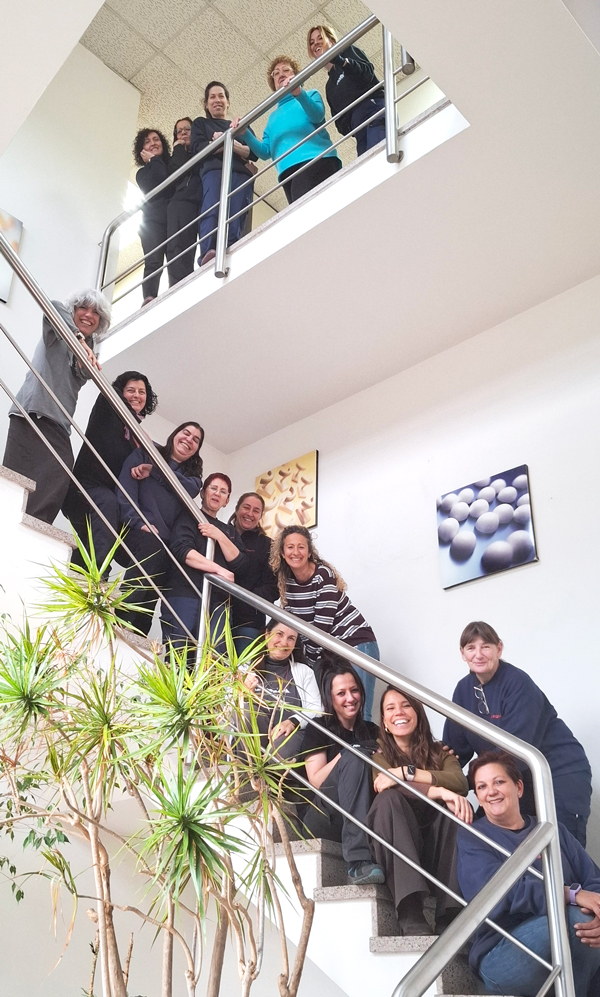
8M: the hardware and DIY sector is also being built in the feminine
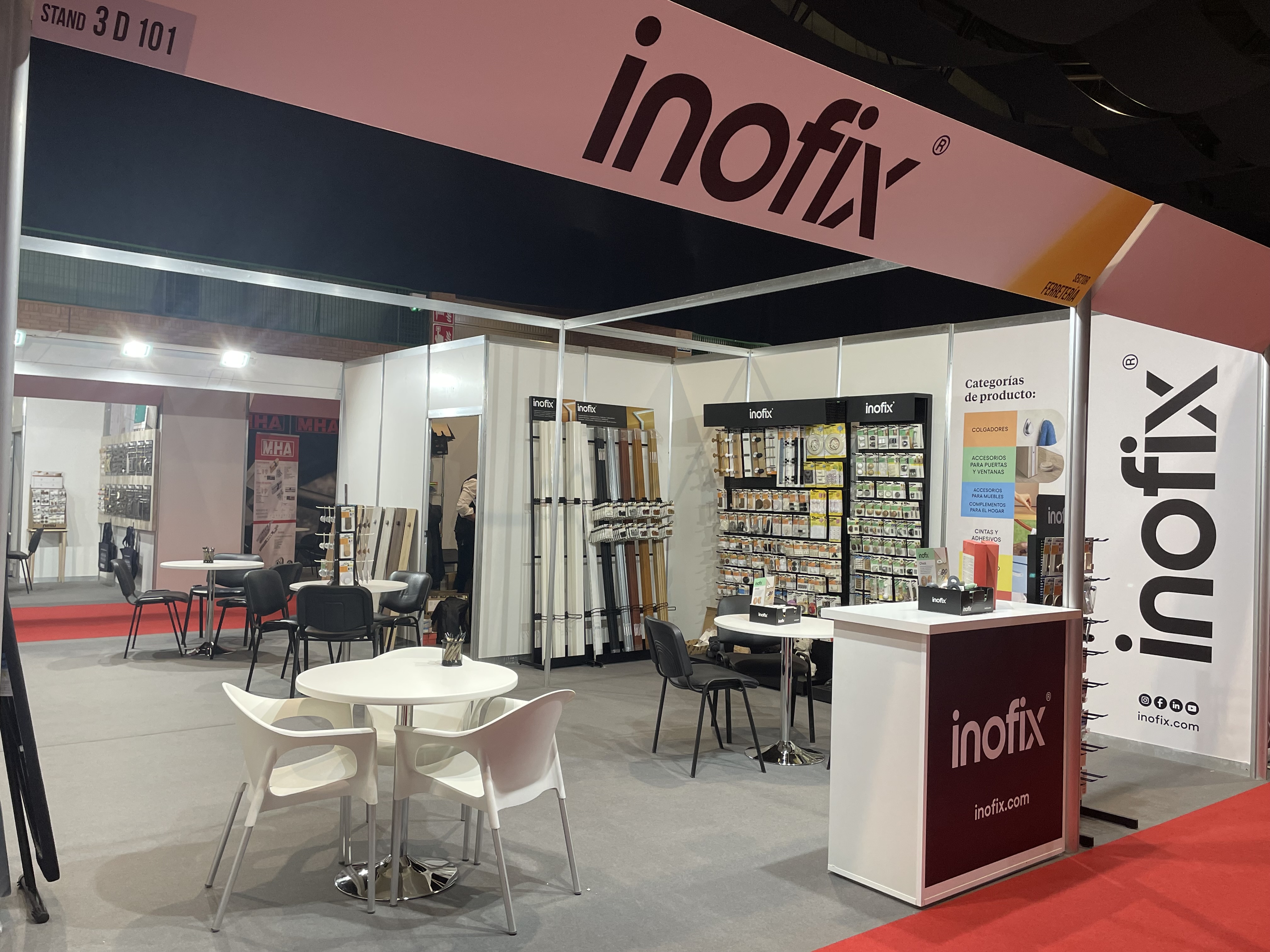
Innovation in hardware and industrial supplies: from the counter to the "store retail" hardware store (ideas and lessons learned after Expocadena)
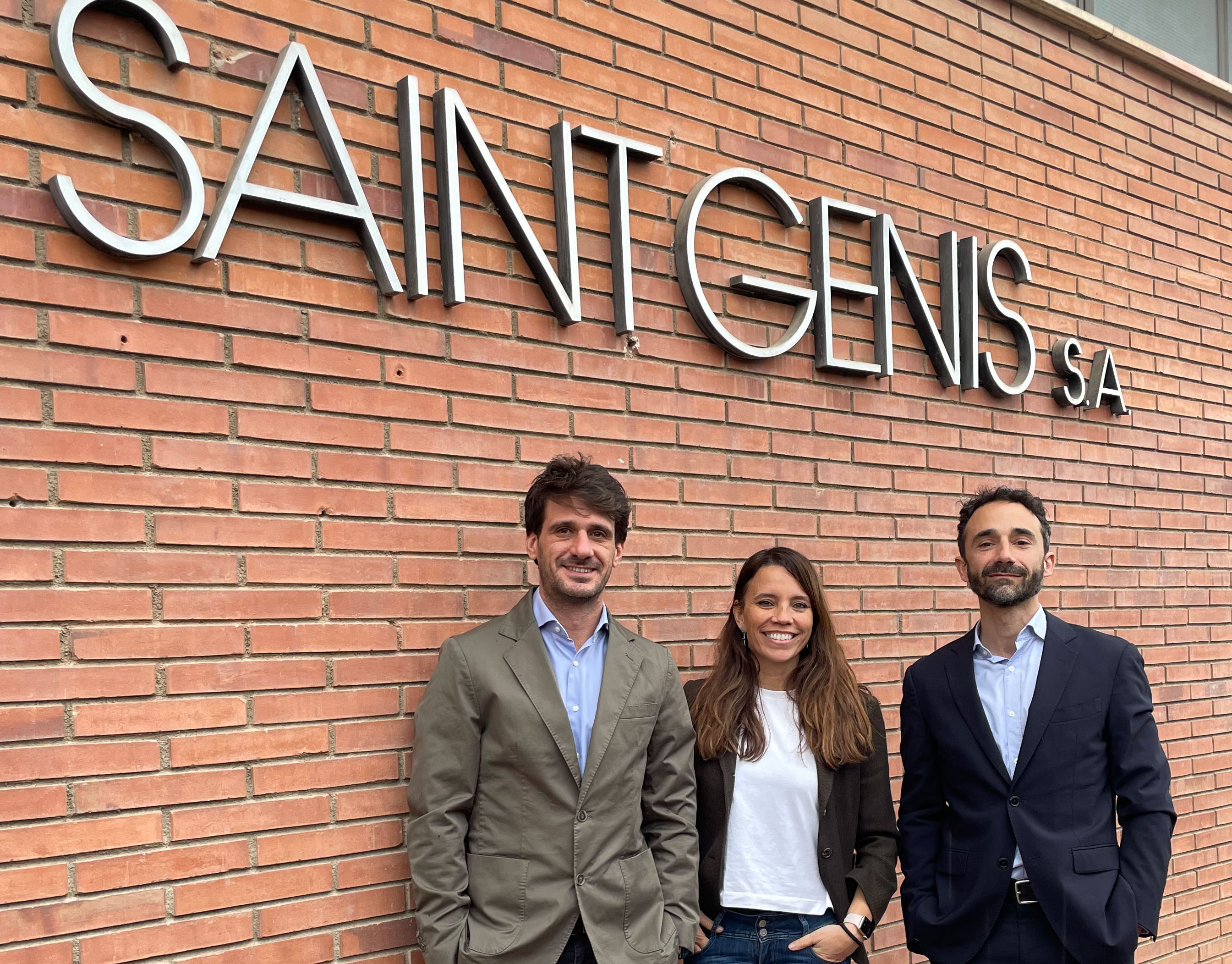
INOFIX thanks Jordi Albaladejo for his contribution and strengthens its organisation across Marketing, Sales and Operations